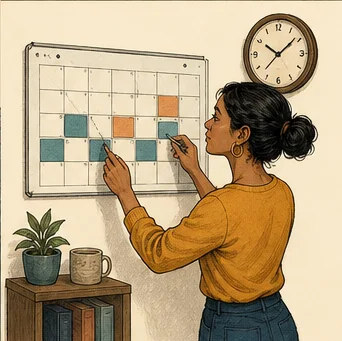

A minimum trading-day rule changes the pace of an evaluation, but it does not require a trade every calendar day. Read the current terms closely to learn what counts as a qualifying day, how server time defines a day, and whether a minimum profit or closed trade is involved.
The useful objective is to distribute only valid decisions across the required period while preserving drawdown. Trying to finish the target in one or two sessions can leave the trader with avoidable rule, concentration, or behavioural risk even if the program does not explicitly prohibit it.
When you approach a trading challenge, think of the minimum day count as a hurdle meant to demonstrate consistent behavior rather than a sprint to the finish line. Many traders stumble by viewing the day requirement as a race. They rush to place trades because they feel pressure to check a box. This leads to poor entry points and unnecessary losses. Instead of treating this as a test of speed, view it as a test of your ability to manage your risk over time.
A calm, systematic approach helps you stay within the firm's boundaries while maintaining your own standards. This guide will walk you through how to treat these requirements as a professional constraint rather than an obstacle to your success. Focus on the mechanics of your strategy and the reality of the market. Success comes from surviving the evaluation, not just getting through it as quickly as possible. Consider how to structure your daily habits effectively.
Readers building a complete challenge plan can pair this review of prop firm minimum trading days strategy with the prop firm passing service guide, which compares the wider support process and its limits.
Define a Qualifying Day
Translate the firm's wording into an operational note: the platform date, the action that qualifies, and when that action becomes visible in the dashboard. Rules can change, so use the account's current documents rather than a generic description.
Do not assume an open position, a pending order, or a small commission-only result qualifies. If wording is unclear, ask official support before relying on a day and save the answer with your rule sheet.
Precision starts with understanding the exact criteria the firm uses to mark your calendar. You need to know if a trade must be fully closed to count or if simply holding a position suffices. Some firms require a specific profit threshold for a day to count, while others only look for execution activity. Read the fine print carefully, as these rules are firm-specific and often non-negotiable.
Understand daily activity requirements
Consider this hypothetical example. If a firm requires a trade to count as a day, but you only open a position without closing it, check if they register that day as active. Most systems only update once the trade hits the ledger. If you wait until the last minute of the session to trade, you might find that your execution falls into the next calendar day due to timezone differences. Always align your clock with the firm's server time to avoid confusion.
Keep a personal log of what you observe in your dashboard. If you believe you have met a requirement but the system does not show it, look for a reason. Did the trade meet the commission minimum? Was the size too small? Documenting your own observations helps you navigate these rules without relying on guessing. Always prioritize the firm's internal definitions over general industry norms, as individual firms can be quite strict about their specific technological tracking methods.
Build a Realistic Calendar
Count available trading sessions between the start date and any deadline, excluding days you cannot supervise. Then reserve more potential sessions than the minimum, because market conditions, holidays, illness, and technology problems can remove opportunities.
A calendar is a pacing tool, not a command to enter. Mark economic events and your primary setup windows so you can see where a qualifying trade might naturally occur without forcing activity.
Planning your calendar is about creating buffers. If a program requires 10 days, do not aim to finish in 10. Aim to finish in 15 or 20. Life happens, and the markets are not always open or liquid enough for a quality setup. Having extra time built into your schedule removes the psychological pressure to trade on days when the market offers nothing of value. You are protecting your capital by giving yourself permission to skip bad days.
Plan schedule around quality setups
Consider a scenario where you have 20 days to reach your goal. If you force trades during the first 5 days, you might wipe out your account before the market conditions improve. If you map out your month, you can identify days with high-impact news, which you might want to avoid. This keeps your focus on the setups that actually work for your strategy. It makes the day-count rule a secondary concern to your primary goal of capital preservation.
Avoid the temptation to use every single available day. Sometimes the best decision is to sit out for a period to wait for better trends. If you have built in extra buffer days, you can afford to be selective. This is not just about meeting the minimum; it is about building a habit of discipline. By controlling your schedule, you maintain control over your risk. A well-planned calendar turns a restrictive rule into a roadmap for a measured and thoughtful evaluation period.

Keep Risk Independent of Day Count
Set trade risk from remaining daily and total loss allowance, not from the number of days left. A late attempt with reduced buffer may require smaller size or no trade; increasing size to make the calendar work reverses the purpose of risk control.
Use a personal daily stop below the firm's threshold. This preserves the ability to return on a later valid session rather than spending several days of opportunity on one emotional recovery attempt.
The math of your risk should never change because of a deadline. If your strategy calls for a 1% risk per trade, that figure remains constant regardless of whether you have 1 day or 10 days left. If you feel pressure to make a move, you might be tempted to increase your position size. This is a common failure case. It often leads to a quick drawdown that ends the evaluation prematurely.
Prioritize capital over day counts
Imagine you are in a situation where you only have two days left to complete your requirement, but you have had a string of minor losses. Your impulse might be to double your size to make up the difference. This is dangerous. Instead, accept that you might miss the minimum requirement rather than risking the entire account on a single desperate trade. Preserving the account allows you to continue, even if it means resetting or starting again later under better conditions.
Your daily stop is your most important tool for survival. By setting a stop lower than what the firm allows, you ensure that even a bad day does not kill your chances. This gives you room for error and helps you keep your emotions in check. If you hit your limit, walk away. You have effectively bought yourself the ability to live to trade another day. Risk is about staying in the game, and the game ends if you lose your funding.
Use a Narrow Setup List
Minimum-day pacing works best with setups that have clear context, trigger, invalidation, and trading session. A broad list of marginal patterns often produces unnecessary trades simply because a day is still needed.
Write the no-trade conditions beside the entry criteria. Thin liquidity, imminent high-impact news, abnormal spreads, or a missed entry are legitimate reasons to preserve capital and wait.
A professional approach means having a very short list of things you are willing to trade. When you are under a time constraint, the temptation is to broaden your criteria to find more opportunities. This usually ends in disaster. Stick to your best patterns. If the market does not offer them, do not invent them. The rule is for you to trade, but that does not mean you must gamble on low-probability setups.
Follow strict setup criteria
Think of your setup list as a set of guardrails. If a trade does not hit every single requirement, it does not exist for you. This strictness is what keeps your equity curve consistent. If you find yourself hunting for reasons to trade, take a step back. That feeling is a red flag that you are prioritizing the clock over the market. Keep your entry criteria objective so you can easily identify when the market is not giving you what you need.
Consider a hypothetical case. You identify a breakout strategy as your primary tool. If the market is moving sideways, your breakout pattern is invalid. Trying to force a reversal trade instead just to get a day in is a mistake. Your skills are in breakouts, not reversals. Stay in your lane. By waiting for the breakout, you protect your capital and show the discipline required to succeed in a professional environment.
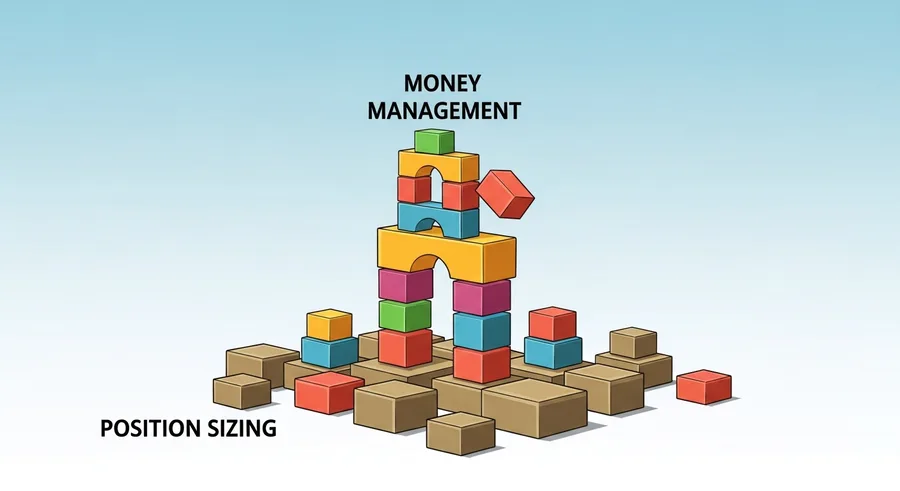
Related guide for Prop Firm Minimum Trading Days Strategy: A useful companion for this decision is Prop Firm Challenge Time Limit Strategy. Make the challenge clock visible without turning it into a reason to loosen entries, oversize risk, or abandon a tested process.
Handle Low-Opportunity Sessions
A quiet session can be a no-trade session even when the minimum has not been met. The cost of a token trade includes spread, slippage, attention, and the chance that a small loss changes later decisions.
If a valid opportunity appears with smaller-than-usual expected range, reduce size only if the resulting trade still fits the tested plan. Do not invent an extremely tight stop merely to create a qualifying result.
Some days the market is just dead. There is no volatility and no clear direction. In these moments, you might want to place a tiny trade just to check a box. Be careful. Even small trades have costs, including the mental effort required to monitor them. If your plan does not account for low-range days, stay out. It is better to have one day with no trades than a day where you lose money for no reason.
Trade defensively in slow sessions
If you must enter on a slow day, keep your size at the absolute minimum. Do not adjust your stop-loss tighter than your strategy dictates just to limit risk. A stop that is too tight gets triggered by market noise, resulting in a loss that could have been avoided. If the trade is worth taking, give it the room it needs. If it is not, then it is not worth taking at all. This logic keeps your performance consistent.
Consider this scenario. You notice a potential trade, but the spread is unusually wide. If you enter, the cost of the trade might eat up your entire potential profit before you even start. Is that a wise use of your time? Probably not. Acknowledge that some days are better spent observing. You do not get extra points for trading on days that offer no statistical edge. Focus on quality over quantity, and your results will likely follow a better path.
Track Progress Without Obsession
Update a simple table after the platform has recorded closed activity: qualifying days, remaining days, profit or loss, and remaining buffers. Check it once at a planned review time instead of repeatedly refreshing a target meter.
Separate qualification progress from performance assessment. A day count tells you about administration; it does not establish that the trade quality, risk, or execution was sound.
It is easy to become obsessed with the numbers on your dashboard. You might check it every ten minutes, looking for confirmation that a day counted. This behavior distracts you from the actual trading. Instead, set a routine. Check your statistics once a day, perhaps after the close of the market. Record your progress in a separate, simple document, like a spreadsheet or even a notebook. This keeps the administration separate from the act of trading.
Focus on skill over completion
When you look at your progress, ask yourself if you are meeting the rules while maintaining good habits. If you see that you have met your day count but your performance is lagging, use the remaining days to refine your process. Do not let the goal of finishing distract you from the goal of getting better. You are managing two things: the administrative requirements and your trading skill. Both matter, but they are not the same thing.
Create a simple checklist to keep yourself honest. For example: Did I log today's result? Does it qualify as a trading day according to the firm? How many days do I have left? Once you have answered these questions, move on. Do not let these numbers define your mental state. If you find yourself checking the screen constantly, it might be a sign that you are too focused on the outcome. Shift your attention back to your execution and your process.

Trade Carefully After Reaching Target
Reaching a profit objective before the day minimum does not make extra trading harmless. Calculate how much loss would threaten the result or a personal buffer, and consider whether the program permits simply preserving the account while days accrue.
If you continue, use the same conservative, tested process rather than trying to manufacture flat days. Check whether inactivity, open positions, or qualifying-day rules create any administrative requirement.
Reaching your profit target early is a great situation to be in. However, many traders ruin their success by continuing to trade and losing everything. Once you hit the profit goal, you should look at your account rules to see if you even need to trade more. If the rules allow you to sit on your hands, do exactly that. Protecting your profit is more important than showing off your skill. If you do decide to keep trading, lower your size and stay cautious.
Manage risk after meeting targets
If you decide to continue trading to reach your day count, treat it like an experiment. Lower your risk significantly. You are essentially trying to survive without losing your progress. This is not the time to test new ideas or size up. Every trade you take is a risk to the hard-earned profit you have already secured. If you are not careful, you can undo weeks of work in one afternoon. Protect your status at all costs.
Some programs have specific rules about what happens when you hit a target. Read these rules again. Sometimes you can move to the next stage immediately, or sometimes you must hold the account for a certain period. Knowing the exact path forward helps you decide how to manage your final days. If you find that you must trade, keep your approach defensive. You are not trying to make more money; you are trying to stay active while keeping your balance safe.
Review the Pacing Process
At the end of the attempt, review whether the calendar helped you wait for quality or pushed you into weak trades. Compare planned sessions, actual trades, costs, and deviations from the risk limit.
Carry forward factual lessons, such as needing more schedule buffer or a clearer support response. Do not conclude that a rushed sequence was safe merely because one outcome happened to pass.
Every attempt should be a learning experience. Once the process is finished, look back at your calendar. Did you follow your plan, or did you cave to the pressure of the day count? If you look at your trades, do you see a difference between the trades you took because you had to and the ones you took because they were good? This distinction is essential for your long-term growth as a trader. Be honest about where you could improve.
Review and refine pacing strategy
Compare your actual performance to your original plan. If you found that you needed more buffer days, make sure to add them next time. If you realized that you did not understand the firm's definition of a trading day, make a note to ask support earlier. These small tweaks make your future attempts much smoother. You are building a system, not just trying to get through one test. The lessons you learn today will serve you in every future challenge.
Finally, do not let a lucky result fool you. Sometimes a trader gets lucky after making a series of poor, rushed decisions. Just because you made it through does not mean the process was sound. Evaluate your performance based on your consistency and your adherence to your rules, not just the final result. If you feel like your process was shaky, work on that. A solid process is what will carry you through, regardless of the rules or the time limits.
Related guide for Prop Firm Minimum Trading Days Strategy: For the next practical part of your preparation, continue with Prop Firm Consistency Rule Guide for Challenge Traders. A practical guide to reading consistency definitions, keeping position sizing explainable, and preparing records for a potential account review.
Manage the Pressure of Time
Time pressure is a silent killer in trading. It forces you to look for opportunities where none exist. To counter this, create a mental environment that is separate from your firm's administrative requirements. When you are sitting in front of your charts, your only goal should be to identify high-probability setups. If those do not appear, your job is to wait. This mindset shifts the focus from 'I need to trade' to 'I am waiting for the market'.
It helps to have a pre-trade routine that reinforces your discipline. Before you open any position, ask yourself: 'Am I taking this because it fits my system, or because I feel I need to trade to hit my day count?' If the answer is the latter, close your trading platform and walk away. That one moment of honesty can save your entire evaluation. It is the hardest part of the job, but it is also the most important for your success.
Handle external time pressure
Consider how you feel after a day where you successfully followed your rules even though you did not trade. You should feel a sense of accomplishment. That is the feeling of a professional. You have maintained your discipline and protected your capital. This is not a failure; this is success. The more you experience this, the easier it becomes to ignore the pressure of the clock. Your confidence will grow as you learn to trust your own judgment over external deadlines.
If you do happen to trade, make sure you can explain why you took it. If you can justify your entry based on your strategy's criteria, then it was a good use of your time, even if the result was a loss. If you cannot explain the trade, you are failing the test. Keep a journal of your thoughts. Writing down your reasons for entering or staying out provides clarity. Over time, this journal will show you exactly where your weaknesses lie and how you can fix them.
Optimize Your Trading Environment
Your environment plays a huge role in your ability to follow the rules. If you are stressed or distracted, you are more likely to make rash decisions. Set up your workspace to be calm and focused. Minimize notifications, keep your research tools accessible but organized, and make sure your charting software is easy to read. You want to reduce the friction between you and your analysis. Anything that keeps you from focusing on your setup is a liability.
Your computer setup matters more than you might think. Having a reliable internet connection and a fast trading platform is non-negotiable. If you lose your connection during a trade because of tech issues, you cannot control your risk. This is especially dangerous when you are under the pressure of a deadline. Test your equipment regularly and have a backup plan in place. You cannot afford to lose days due to easily preventable technical failures.
Optimize your trading workspace
Create a physical space that is dedicated to your work. Even if it is just a corner of a desk, make it yours. When you sit down in that space, your brain should know it is time to focus on the markets. Keep your rule sheet in front of you. Having a physical reminder of your risk limits and your strategy's constraints can keep you from making emotional choices. It acts as a safety barrier between your impulses and your execution.
Lastly, keep your daily routine consistent. If you always trade during the same hours, you get to know the market's behavior in those times. You will be able to recognize when the setup is forming and when the market is just noise. This familiarity reduces the anxiety of trading and makes the day-count rule feel like just another part of the background. By optimizing your environment, you make it easier to stay on track and perform your best.

Distinguish Between Evaluation and Real Trading
There is a fundamental difference between an evaluation account and a live, funded account. In an evaluation, you are dancing to the firm's tune, meeting their specific rules and constraints. When you finally get a funded account, you gain more freedom but also more responsibility. Use this evaluation period to build the habits you will need later. If you learn to trade well under strict rules, you will be much better prepared for the freedom of a real account.
Do not confuse your performance in the evaluation with your potential for success in the long term. Many traders get through the challenge only to fail when they are given real capital. This happens because they were focused on the wrong things during the test. They focused on the rules instead of their risk-to-reward ratio. They focused on the day count instead of the quality of their setups. Keep your focus on the skills that actually matter for longevity.
Treat evaluation as professional training
Think of the evaluation as a laboratory. It is a controlled environment where you are testing your strategy against a set of constraints. You are not trying to be a hero; you are trying to be a technician. Your task is to execute your plan perfectly. If you can do that consistently, the day-count rules will naturally take care of themselves. You will pass because you were prepared, not because you were lucky or because you forced it.
As you move through the process, remember that the firm is looking for stability, not just a profit target. They want to see that you can handle risk and follow their guidelines over a sustained period. This is exactly what you should want for yourself. Treat the evaluation as the first step in your career. By proving to yourself that you can follow your own rules, you are building the foundation for a sustainable future in the markets.
Final Takeaway
Minimum trading days are best handled as a scheduling constraint layered over an existing risk plan. The account should never need a poor-quality trade simply to satisfy a count.
Keep an auditable record of qualifying activity, but let market conditions and personal limits decide whether today is a trading day. Patience can protect both the rule requirement and the remaining drawdown.
Do not let the pressure of the clock force you into mistakes that violate your own standards. Your primary goal is to remain disciplined through the entire evaluation period. Success is found in your consistency, your risk management, and your ability to wait for the right setup. If you keep your focus there, the administrative tasks of the evaluation will become a secondary part of your process, and you will be much more likely to come out of the challenge with your account balance and your confidence intact.