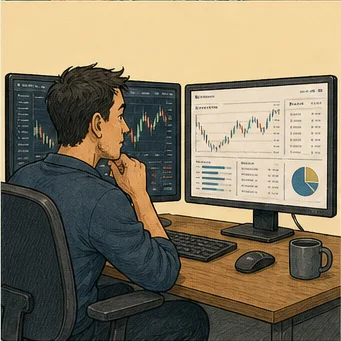

Platform selection serves as the bedrock of your evaluation experience. The software you choose directly dictates how you place orders, monitor live risk, and audit your historical trade performance. It also influences the practical compatibility of your technical indicators, automated trading scripts, custom symbol calculations, and account reporting requirements. You must view the platform not just as a visual interface, but as a technical environment that can either support or hinder your strategy execution.
Do not simply compare platform brands in isolation. Focus on the specific implementation provided by the firm, as even the same software can behave differently across providers. Every company configures server times, symbol naming conventions, commission structures, and order permissions according to their specific back-end setup. A feature available on one broker might be restricted or absent elsewhere. Taking the time to understand these nuances before you commit your time and capital is the most effective way to ensure your trading process remains consistent throughout your evaluation period.
For the broader service-selection and evaluation framework, use the prop firm passing service guide alongside this focused review of prop firm challenge platform comparison: mt4, mt5, ctrader, and more.
Why Platform Fit Matters
Pick a platform that matches how you trade with very few changes. If you use custom orders, export data, or robots, check these on the firm server. Do not guess how things work because you might fail during a real trade. Changing how you act because of the software increases your risk of loss.
Knowing a platform only helps if it fits your real needs well. Traders often think their past skills will work on any new software. This is not true when firm rules change how the settings work. Before you start, run a simple test to check your order steps. Confirm that stops, account data, and trade views all work as you need.
Imagine you use a feature that adds a 20-pip stop loss automatically. You join a new firm and this setting is not active there. You might open a trade without a stop if you do not check. This small mistake during the first hour could cause a quick loss. That loss might even break your account rules if the market moves fast.
Complex software creates a mental load that you do not need right now. When the market moves fast, your tools should feel like your own hands. If you fight the software to exit a trade, you lose good time. A tool that hides basic info in deep menus is a bad choice for your work.
MT4 Considerations
MetaTrader 4 is a very common tool for traders because it is old and reliable. Many people use it to run robots or indicators they already know well. This history can help you start a challenge without much trouble or new learning. But remember that every firm runs its own version of this software.
Firms can change settings like symbol names, leverage levels, and lot size rules. A robot that works on your private account might break on the firm server. You must test your robots and visual tools on a firm demo account first. This helps you find errors before they happen in a live challenge.
Look at how the firm names symbols to avoid code errors in future. Some servers add tags like EURUSD.pro or EURUSD.m to the basic name. If your script looks for a specific name, a tag change will break it. You must check your code and adjust the names to match the firm server perfectly.
Firms may handle slippage or order speed differently even with standard 5-digit pricing. If your robot needs specific price rounding or fast tick data, verify the server settings. Do not assume your old code will work without testing it on the firm server first.
MT5 Considerations
MetaTrader 5 has a new design that changes how it handles orders and risk. The look might seem familiar, but the inner logic changes how trades get processed. You must test your strategy well before you move it to this new platform system.
One big detail to check is if the account uses netting or hedging rules. In a netting setup, all trades for a symbol join into one total. This changes how you exit parts of a trade or manage risk. You cannot close just one part of the trade if the system sees them as one.
Test every step your trading strategy takes in this new system. If you scale into trades at different levels, see if the platform shows this clearly. Many traders find the order math in MT5 differs from their old expectations. Write down how it handles your entries so you know what to expect.
Indicators may also act differently when you move to a new platform version. Code made for the old software might not work right in the new one. Check that your signal appears at the right price and time you need. A small error in how it thinks could turn a good trade into a loss.

cTrader and Other Platforms
Platforms like cTrader have different ways to handle charts and automated trade tools. Do not just look at a list of features to pick your best option. Only judge a platform by how well it lets you trade your own plan. If a tool has many features but makes placing stops hard, it is not for you.
Practice the specific steps you take during a normal trading session today. Can you change a stop loss by moving it on your chart view? Is it easy to close half of a trade when price spikes fast? Can you find the server time to match your news calendar? If these tasks feel slow or hard, the software will hurt your trades.
Speed can be a trick if the setup is not easy to use. The platform might open fast, but if you must type info every time, you lose time. Aim for a setup where you can trade with one sure click. This lowers the chance of you making a mistake while the market is moving.
Check how well the platform shows your trade history and current daily results. A good tool shows your profit and open risk right on your screen. You should not need to click new tabs to see your status. If you must hunt for commission data or drawdown limits, you will struggle to trade well.
Symbols and Contract Specifications
Calculate your risk using the exact contract details from the firm. Do not just rely on the market label for your data. You must confirm the tick size and tick value for every market. Also, check the contract size and margin needs for all your assets. Look at the trading hours and minimum volume for each chosen market. A contract size of 100,000 units on one firm might be 10,000 units on another. This difference causes major sizing errors if you do not pay close attention.
Keep a table of sizes for each platform you use. When you switch from forex to metals or crypto, recalculate your position sizes. A familiar number of lots on a currency pair behaves differently elsewhere. It may mean a totally different cash risk on a new asset class. Always compare your spreadsheet data against the official symbol list from the firm. Do this check before you open your first trade in any new market.
Consider a hypothetical example to see why this matters so much. You trade 1.0 lots of EURUSD and know the value per pip. You then try a metal or index on a different firm. If you use 1.0 lots there without checking the size, you might trade much more than you planned. This specific mistake often leads to a quick breach of your daily loss limit.
Spend time to learn the margin rules for every different asset class. Some firms offer unique leverage tiers based on the symbol you trade. You might find that you cannot add to a trade at some point. This happens if you reach the max margin allowed for that asset. Know these limits ahead of time to help your strategy and risk management.
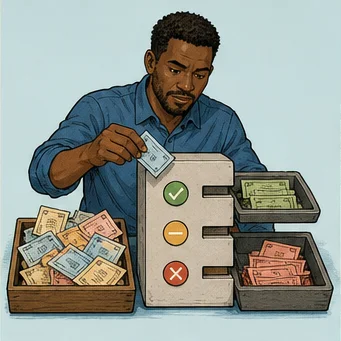
Related guide for Prop Firm Challenge Platform Comparison: MT4, MT5, cTrader, and More: A useful companion for this decision is Prop Firm Challenge Platform and VPS Checklist for Reliable Execution. Technical issues can create slippage, missed exits, or rule breaches. Use this platform and VPS checklist before relying on a challenge account.
Automation Compatibility
First, get the current written rules about using robots and scripts. Look for policies on copy tools and third-party signals as well. Having the tech to run a script does not mean you have firm permission. If you break these rules, your challenge will likely end right away. This outcome occurs even if your trading strategy is quite profitable.
Test your allowed automation tools with very strict safety rules in place. Use a max order count for each day to stay safe. Set a hard stop loss for every single trade you make. Add a filter for symbols to stop the bot from trading unwanted markets. These steps protect you from market moves that could trigger a loss limit.
Watch your automation closely during a test phase rather than leaving it alone. Even a tiny bug like a wrong decimal point causes huge trade issues. Watch the bot run in real time to see how it acts. This ensures it follows the platform rules and the specific firm environment.
Think about network lag if you choose to use a virtual private server. Modern platforms are usually solid, but server distance affects your execution speed. Test your connection speed to avoid issues during times of high market activity. Make sure your bot handles slow connections well without opening extra or wrong orders.
Reports and Rule Monitoring
A good platform shows you open risk and results at a glance. You must see your trade history and current time on the screen. Match this platform view with the firm dashboard to be sure. The firm internal calculation decides if you stay in the program. If the dashboard shows a reached limit, you must follow that number. Ignore what your local terminal shows if the firm data differs.
Reconcile your accounts every day when you finish your trading session. Differences happen because of missing fees or swap charges on the account. Timezone shifts or tracker settings can also cause small report gaps. By checking details daily, you catch errors before they affect your evaluation progress. This helps you avoid a surprise breach of the firm rules.
If you see a difference in records, ask the firm for help. Do not wait until your account is in danger to act. Firms have specific ways they calculate drawdown for your total balance. Knowing these math steps is vital to keep your account open. If you are unsure, always trust the numbers shown on the firm dashboard.
Think about how your report workflow helps you to grow as trader. If you only check your profit, you miss out on helpful data. Track your win rate and your average hold time for trades. Watch your peak exposure to refine how you plan your future moves. If the platform hides this data, look for ways to export to spreadsheets.

Make the Platform Decision
Score each platform option against your needs for strategy and contract clarity. Look at mobile access and reporting features to make your final choice. Give extra weight to any feature that would cause a hard breach. If a firm needs a stop loss but the platform makes that difficult, you are at risk. Prioritize platforms that make it easy to avoid costly technical errors.
If two options seem similar, pick the one that you operate well. You must trade well under pressure without needing complex workarounds or extra software. Complexity is a high cost when you need to verify a stop loss. You want a setup that feels clear and easy to navigate daily. When you focus on the software instead of the market, you make avoidable mistakes.
Create a simple grid to see your options and compare them fairly. Assign a value to each trait based on importance to your plan. If you travel, a stable mobile app is a top requirement. If you use custom indicators, look for high platform extensibility instead. This logical approach helps remove emotional bias from your final software choice.
Base your final choice on a calm assessment of your specific needs. There is no perfect platform, but there is one right for your workflow. Once you choose, focus on learning the small details of that setup. The more you understand how your environment works, the more you focus on managing your actual trade risk.
- Identify your non-negotiable workflow features before starting.
- Test the exact firm implementation on a demo account.
- Confirm automation permissions before you make a purchase.
- Choose a documented fallback device if your primary connection fails.
Managing Operational Latency
Network speed and how close you are to the server affect your trading. Traders often look at charts, but distance to the server causes a small lag. This delay is called latency. During times of high market movement, even a tiny delay hurts. Your click may not match the actual price because markets move fast. Your data must travel across the web before the order arrives.
Think of a news event. You watch for a price jump in a currency. Your latency is 150 milliseconds. The market moves in just 50 milliseconds. By the time your trade reaches the server, the price has already skipped your spot. You get a worse price. This slippage can make your stops wider or your profits smaller. Over time, this hurts your overall win rate.
To help, use a Virtual Private Server near the broker data hub. A VPS lets your scripts or trades live in the same place as the platform. This cuts down the travel time for your data. If your lag drops from 150 milliseconds to 5, your trades are much cleaner. This is vital for those who use fast scalping strategies.
Perform a simple test of your speed first. Most apps show your ping time in the bar at the bottom. Check this during quiet times and when the market is busy. If your connection is not stable, you might lose data packets. This causes your orders to be rejected or entered twice. A stable, low-latency link is vital for safety during big price moves.
If you do not use a VPS, keep your home internet for trading only. Stop using data-heavy apps like video streaming or big downloads while you trade. These things take your bandwidth and cause your lag to spike up. View your internet as a core part of your trading gear. A strong link protects your strategy from the rapid moves of the market.

Related guide for Prop Firm Challenge Platform Comparison: MT4, MT5, cTrader, and More: For the next practical part of your preparation, continue with FTMO vs Other Prop Firm Challenges: How to Compare Programs Fairly. There is no universally best challenge. Compare programs by the rules that fit your strategy, then choose support that understands the specific account rather than using a generic plan.
Managing Custom Symbol Logic
Firms change symbol names to mark their internal accounts. You might see names like EURUSD.f, EURUSD.ecn, or EURUSD.raw. These endings are not just for show. They tell the server which account type or pool you use. If your software looks for a standard name, it will fail to connect. Always check that your software and tools recognize these unique symbols.
Take a case where your script only looks for EURUSD. You load it on a platform that uses EURUSD.pro. Since the software does not find a match, the script does nothing. You sit there waiting for trades that never start. You eventually see the issue, but you have already missed a great trade. This is why you must check the symbol names in every script.
Some apps let you make an alias if the main name is different. This is a powerful feature but needs careful setup. If you make an alias, ensure it pulls the right data and contract details. If it is set wrong, you might see the wrong price or volume. Always look at the chart of your alias against the official symbol to see they match.
Check your symbol specification window every single day. This screen lists the rules for each asset, including swap rates and session hours. These rules can change at any time based on broker policy. A change in contract size for a symbol can make your risk sheet useless. Keep this data current to avoid errors when you calculate your trade size.
Also, look at how the platform uses suffixes for past data tests. If you import data for testing, ensure the names in your files match the server names. A mismatch makes your test run on the wrong price data. This creates bad results that do not match the real market environment. Consistency across your charts and scripts is the only way to keep your strategy working.
Handling Account Synchronization
Platforms use local memory to make the screen feel fast. While this feels smooth, it can hide gaps between your terminal and the server. Your screen might show a trade as closed, but the server still lists it as open. You must learn how to force a sync or read the difference between local and remote statuses.
Imagine you try to close a trade during high stress. You click the button, but the server response is slow. Your screen shows the trade closed because it assumes you want success. However, the server has not finished the task yet. If you start a new trade based on that old one, you might end up with double your intended risk.
Watch the order status column in your trade list to fix this. Most apps show if an order is pending, finished, or rejected. Do not act on a trade until you see a confirmed status from the server. If a trade stays pending for a few seconds, do not click the button again. Extra clicks often lead to duplicate orders, which is a common way to fail firm rules.
Read the log files of your platform to stay informed. These files hold a time record of every move between your app and the server. If you have a technical issue, these logs prove what happened. You can see when an order was sent and if the server accepted it. Logs help you see if the problem is your connection or the firm hardware.
When in doubt, use the firm dashboard as your source of truth. Your terminal is just a program that shows you data. The firm database tracks your real balance and your drawdown limits. If your platform breaks or shows odd data, stop trading and check the browser dashboard. It is the real record of your account health and your rule compliance.

Custom Risk Management Tools
Standard order tickets rarely have the risk tools you need for a pro evaluation. Manual typing for stops and profits is slow and causes errors. Many traders use custom tools to automate this work. These tools let you set your risk percent and calculate the correct lot size based on your entry and stop distance.
Consider a case. You have $100,000 and want to risk 1%, which is $1,000. Your entry is 1.0500 and your stop is 1.0450, a gap of 50 pips. A custom calculator finds that with a 100,000 unit contract, you should trade 2.0 lots to stay at your $1,000 limit. Doing this math by hand under stress is hard. A tool does it in one click.
Before you use any custom tool, test its math in a safe way. Ensure the tool handles the lot step rules of the firm. If the tool asks for 2.15 lots, but the firm only accepts 0.10 steps, the order might fail. Always test the tool on a demo account first to make sure it works before you use it for your evaluation.
Also, ensure your risk tool follows firm rules on total exposure. If your tool adds to a trade, check if this breaks rules about stacking. Some firms limit the number of trades you can hold across symbols at once. Ensure your tool knows these global limits so it does not accidentally cause you to break a firm rule.
Finally, make sure your risk tools are visible during your session. You may want to hide them to save space, but seeing your risk and drawdown keeps you focused. If a tool makes your screen messy, move it to a second monitor or make it smaller. Your setup should show the most vital data first, which is your risk level and total account health.
Final Takeaway
There is no universally superior platform for a challenge. The right choice is the one whose actual implementation allows you to follow your permitted, tested process while maintaining a clear view of your risk exposure. Every provider configures their servers and interfaces differently, so you must treat your own testing as an essential step in your preparation.
Retest your entire workflow whenever you migrate to a new platform or a new server. Small differences in contract sizing, commission structures, or execution rules can be large enough to invalidate your previous sizing assumptions. A strategy that worked well on one platform might fail on another if you do not account for these granular technical details in your setup.