The word passing service covers very different arrangements. A coach who reviews a journal, a provider sending trade ideas, and a person logging into an evaluation account create different responsibilities and different rule questions. Start with the actual activity, not the label on a sales page.
This is a practical compliance review, not legal or financial advice. The workable standard is simple: read the firm’s current agreement, obtain any required permission in writing, and do not use a process you could not accurately describe to the firm during a review. Navigating the prop firm ecosystem requires a careful balance between seeking efficiency and maintaining personal responsibility for your account performance and rule adherence.
Traders often seek ways to accelerate the evaluation process or refine their trade execution. While various external entities offer to assist with these tasks, the burden of compliance remains entirely on the account holder. Many firms have evolved their internal monitoring systems to detect anomalies that might indicate unauthorized access or coordinated trading patterns. Consequently, what may seem like a shortcut can frequently result in immediate account termination or a refusal to process requested payouts later.
Understanding the mechanics of your chosen service is the first step toward safeguarding your capital and your standing with the firm. This guide outlines how to evaluate these services, manage account security, and ensure that your activities stay within the boundaries set by the provider. Maintaining a high level of diligence is necessary to protect your potential for success in a competitive environment.
If you are comparing independent preparation with structured support, the main prop firm passing service guide places is a prop firm passing service legal? a practical guide to compliance and account rules inside the complete evaluation process.
What a Prop Firm Passing Service Actually Does
Ask for a simple note about who picks trades and who makes them. Also ask who manages the risk. Coaching keeps the trade work with you. Signals mean you still have to accept the trade. Delegated work might be blocked even if the trades seem normal. You need clear rules on who does the labor. This helps you know if you are trading or hiring help.
Compare the plans with the firm rules, not what the service says. Ask the firm if your plan is allowed before you pay. Many firms say the account owner must trade alone. When a service logs in or manages trades, they often break the rules. It does not matter what trading style they use.
Imagine you use a bot to copy a pro trader. If the firm contract says no to copy trading, you break the rule at once. It does not matter if you make money or if the bot works well. The rule break is about the method you chose. Always trust the contract more than the sales ads from the service.
Analyze risks of automation tools
Check how far your choice is from the final trade order. If you use hard scripts you do not fully control, you face big risks. A service may say the firm cannot see them. But firms now use smart tracking tools. They track your IP, your device, and how fast you trade to spot bots or teams.
Read the Prop Firm Rules Before You Pay
Download the terms, the FAQ, the rules for payouts, and the list of banned acts. Search for words like third-party, sharing, copy trading, robots, IP limits, news, or group accounts. These papers change often as firms find new ways to cheat. Do not just look at old forum posts or cached links. This leads to losing your account when it is time to scale up.
Write down rules that could shut you down even if you make money. Support chats can be helpful, but save their answers. Ask more questions if the answer does not cover your plan. If an agent says yes to something that sounds too good, push for a clear answer. A simple nod is not enough proof for a real rule.
Look at the fine print about your computer and where you live. Firms look at where you sign in to make sure it makes sense. If a service signs in from a place far from your home, the firm may flag your account. People often suggest using a VPN, but firms often block these or watch them closely. This can lead to account problems.
Review specific firm trading rules
Check what they mean by banned acts like fast trading or latency arbitrage. Many services try to use tiny market gaps that humans cannot catch. Firms block these styles because they are not meant for lasting success. If your service uses these ways, it surely breaks the rules of the firm, no matter how they sell it to you.

Account Access, Security, and Personal Control
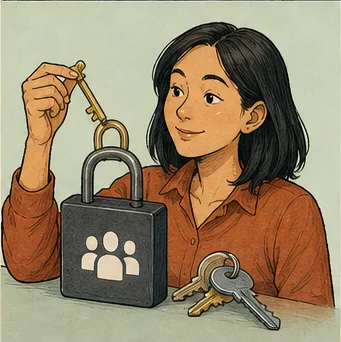
Your password is a vital part of your account. If you give access, use the lowest level possible. Use two-factor sign-ins and keep your recovery email and money controls private. Know how to shut off access right away. Never give out your main login codes. If a service needs remote access, keep it away from your personal files. The risk of losing your identity is much higher than the risk of failing a test.
Change your passwords right after the work is done. Look for linked devices, API keys, and recovery options. Do not let ease of use stop you from keeping control. If you see unknown API keys in your platform, act fast. Delete them right away. Tell the prop firm if you think someone got in. This shows you are being open about how you manage your account.
Keep a personal note of every time you sign in. Record the day, the time, and what you did. If the firm asks about a strange login from a far server, you have proof. You can tell them what happened and why. Good records are often the reason you keep your account instead of being banned.
Avoid shared hardware security risks
Watch out for the risk of shared hardware. If you use a remote server, it might host accounts for many other traders. Firms link accounts by their IP addresses. If one account on that server breaks a rule, the firm may block all of them. This is a common and silent way traders lose accounts. Many traders think they failed because of their strategy, but it was really the server.
Approaches That Create Compliance Problems
Do not follow steps to hide third-party work, copy trades through secret accounts, or use bad price gaps to fix losses. Even if you make money, the firm can reject you if you broke the rules. Hiding the truth is a major red flag. If a service tells you to hide what they do or to lie to the firm, they know their methods break the rules.
Firms can check your work after you reach the goal or before they pay you. The test is not if they caught you now, but if the work is allowed by the contract. A trick that passes a challenge might still lose you your money later. Payout reviews are often harder than the first check because the firm is about to give you real cash.
Think about the risk of systems that push your leverage to the top limit. These bots might pass a test in a few days. However, they fail the consistency tests needed for long-term trading. Firms want to see steady growth and stable results. Any style that makes a huge profit in a short time with high risk will lead to a manual check. That is where your problems start.
Avoid prohibited fast arbitrage styles
Example: A trader uses a bot to trade during a news event. The bot opens 20 positions in 1 second. This is clearly a bot and likely breaks the rule against fast arbitrage. Even if the trader passes the test, the firm can wipe out the results later. The trader loses the fees and the time they spent. This shows that being fast is not worth breaking core rules.

Related guide for Is a Prop Firm Passing Service Legal? A Practical Guide to Compliance and Account Rules: A useful companion for this decision is How to Check Prop Firm Rules Before You Start a Challenge. Many failed evaluations begin with a rule the trader did not know existed. Save this checklist and review the firm's own terms before you place the first trade.
What a Responsible Process Looks Like
Good support starts with clear limits for your trading account. It needs scheduled checkups. It also needs a clear stop point even if you get close to the goal. You must see the expected risk levels. You must be able to explain why a trade did not happen. A skilled coach builds a plan for you to learn. They help you grow as a trader. They do not just hand over a finished account. This keeps your decision making in your own hands.
For example, a plan might ask you to stop after 2 losses. You do this even if the firm allows more losses. This personal limit turns a public rule into a safe gap. You show the firm that you handle your money with care. By stopping early, you lower your own risk. Most firms see this as a good sign. It shows you have the maturity to move to a funded stage.
Build a manual trading process
Writing down your trading process is very important. You should keep a journal. Write down your rules for making a trade. Record your risk for every single trade. Write the reason for every entry you make. If a firm asks about your results, you can show them this journal. It acts as proof of a manual and steady strategy. This is your best tool to show you follow the rules. It keeps your account safe from random claims of bad behavior.
Being open about your limits is a sign of a good trader. If you find it hard to stay on track, get coaching. Working on your emotional control is a fine way to use a service. This is much different than paying someone else to trade your account. Make sure the work focuses on building your skills. Focus on managing your own risks. Do not use shortcuts to hide your true results from the firm.
Questions to Ask a Provider
Ask what happens after a bad trading day. Ask how they track your floating loss. Ask if the firm gave written approval for their model. Vague answers matter more than pretty pictures. They show how the person acts under pressure. If a service cannot explain how their strategy works, they are not ready. If they cannot explain the rules of your specific firm, they should not handle your account.
Also, ask how you fix disagreements. Ask if every big answer will be in writing. A real pro should like it when you look close at their work. They should not just show you ads. If you feel rushed to pay, take that as a warning. A good pro will have a clear way to work with you. They will want you to check their services with the prop firm yourself.
Think about asking how they handle firm audits. If they say they helped thousands pass, ask about the audits. Ask what questions the firms usually ask during a review. A smart pro should know the common traps. They should teach you how to avoid those traps. They should show you how to follow rules. They should not just focus on how to pass the test.
Establish clear provider contracts
Lastly, make sure you know how to stop the service. What happens if the service does not work? What happens if the firm changes the rules later? You must have a clear written contract for these times. If the person refuses to put their work in writing, walk away. You will have no way to fix things if trouble starts during the evaluation.
Compliance After the Challenge Is Passed
A funded account brings new rules. You may face new payout dates. You may have rules on consistency or tax forms. Before you celebrate, read the new contract. Stop trading until you know if your methods are allowed. Many traders fail here. They think the old rules still apply to the funded account. A funded account gets a closer look. Things you did before might get you in trouble now.
Do not think that tools or leverage rules stay the same. Look at the funded account as a new place to trade. Do a new review of all the rules. The move from a test account to a funded one often brings a deep audit. The compliance team at the firm will look at your history. If you acted in a bad way before, they will find it now.
Think about the reality of larger accounts. As your balance grows, the firm looks closer at your work. They will check your trade timing. They will watch your methods. They will look at your risk patterns. Any change from your plan will show up. You must be ready to explain your trades. You must be ready when you ask for your first payout.
Ensure compliance after passing challenges
Imagine this. A trader passes a test using a risky grid method. Once they get the funded account, the firm checks all past trades. The reviewer sees that trades happened at the exact same time every time. The firm says this is automated trading. This breaks the contract. The firm closes the account. The trader loses everything.
A Safer Decision Framework
Only start if the firm allows the plan. Make sure the helper role is in writing. Make sure your safety and risk plan are good. Pause if a rule is not clear. Walk away if someone asks you to hide what you do. Walk away if they promise a sure result. This plan keeps you on the right path. It keeps you from losing your account or your pay. Your safety is worth more than a quick win.
If you cannot get written permission, do not use the service. Use a coach or trade on your own. Paying a small fee to avoid a bad deal is better than losing your account. Remember that your goal is a career. Do not take shortcuts that hurt your name. A shortcut that hides your work is a bad use of your money.
Think about the long term effect of your choices. Each time you pick a partner, you link your name to them. If they break the rules, you are the one who pays the price. Building your own skill is the only way to win. You must practice with a clear mind. There are no shortcuts that last for a long time.
Create a safe decision framework
Check this list before you start. Does the provider have a clear contract? Does the firm say yes to this service? Have I checked the rules for myself? Do I know the risks? If you answer no to any part, stop. Your own trade business is your most precious thing. Protect it by making smart and careful choices in all you do.

Related guide for Is a Prop Firm Passing Service Legal? A Practical Guide to Compliance and Account Rules: For the next practical part of your preparation, continue with How to Audit a Prop Firm Passing Service Before Sharing Account Details. Before you share an account login or pay a service fee, use this structured audit to inspect security, claims, communication, risk controls, and compliance.
Technical Infrastructure and Detection Risks
Trading firms use smart software to watch data from every trade. This tracks the speed between your signal and the order sent. When a third party service uses your account, firms see their unique digital ID. If this ID reacts at speeds that no human can match, systems mark your account for review.
Think about a case where you use a remote computer from a service. The firm sees your connection comes from a data center. These places often host many robot traders at once. Most firms ban trading from these spots to keep things fair. Using such a server leads to a flag for breaking rules.
Device tracking checks your screen size, fonts, and web browser settings. If a service logs in from a device that does not match yours, the firm knows. Logging in from many places or devices suggests you shared your login details. Sharing accounts is a big rule break. You must keep your gear and internet setup the same.
Manage infrastructure and detection risks
Firms watch out for latency traps. Some services try to trade on tiny price gaps between data feeds. If you trade exactly when news hits with speed no person has, the firm logs this behavior. Algorithms track these moves to protect the firm money. Accounts found using these tools are closed down for good.
Using a shared internet address is a major risk for managed accounts. If one service provider trades for many people from one address, that address gets a bad mark. Any new account that uses that address gets checked or limited. One person breaking rules can cause trouble for many other innocent traders.
Behavioral Patterns and Risk Profiling
Firms look at your trade habits as much as your total profit. Real traders show changes in how they enter or exit trades. They may take time to think or change order sizes based on the market. When a service uses a robot, the history lacks this human touch. This mechanical pattern acts as a red flag for the compliance team.
Picture an account that shows perfect entries at the exact same millisecond every time. While you might want this, it is not possible for a human to keep this up. The models of the firm see this as proof of a robot. The firm does not need to guess your goal because this pattern proves you broke the rules.
Automated tools also fail to show how a human manages risk. A human might trade smaller when news happens to be safe. A robot might keep trading at the limit no matter what happens. This rigid way of trading is a clear sign. Risk teams can easily find accounts that do not react like a real human.
Monitor performance and risk patterns
Hitting big profit goals in a few days also gets attention. If a service hits the target in 3 or 4 days using large sizes, the firm will check you. Fast growth often means taking huge risks that are not sustainable. The firm has the right to close accounts that show strange or risky performance curves.
You should track your own logic for why you take specific trades. If you let a service trade for you, you cannot explain your own moves. A trader who can talk about their strategy shows they are honest. A person who cannot explain their history is a risk to the firm. This data is often why a firm will ban an account for good.

Long-term Financial Impact of Account Revocation
The cost of a closed account is more than the fee you paid. You lose all the future money that a funded account could have made. When you lose an account because of an outside service, you lose your own hard work. This lost chance is a big price to pay for using such services. It turns your trading career into a very risky gamble.
Imagine you pay for a service to pass your evaluation. After you pay, the firm finds out you used a service during the first week. The firm closes your account and deletes all your potential profit. They also put your name on a blacklist. Because they see you as a high risk, they might ban you from their site forever.
A closed account leaves a mark that stays in the industry. Firms share information to stop bad behavior, so your record may follow you elsewhere. If you try to join a new firm, they might see your history and say no. Trying to pass fast can end your career before it even starts.
Understand account revocation consequences
A sudden account closure can be very hard on your mental health. After weeks of hard work, having it all gone because of a stranger is frustrating. This can ruin your confidence and cause you to make bad choices later. You are giving control of your money to a person who does not care about your success.
It is better to spend money on your own learning and tools. When you trade your own account, you keep every dollar you make. You also build a track record that belongs only to you. This builds trust with the firms you work with. Trading by yourself keeps your future in your hands and protects your hard-earned reputation.
Final Takeaway
Compliance is an operating habit, not a disclaimer added after a trade. The trader remains responsible for the account, its terms, and the accuracy of information provided to the firm.
A service that improves clarity, risk discipline, and documentation may be useful. One that depends on ambiguity creates a risk that can outlast the evaluation.
Prioritize your own education and skill development to ensure long-term sustainability. The prop firm model rewards disciplined, manual execution. By mastering these skills yourself, you eliminate the risks associated with third-party intervention and build a stronger, more resilient trading career. Remember that your reputation with the firm is the foundation of your success. Guard it carefully by ensuring that every trade, every entry, and every interaction with the platform remains strictly compliant with the rules you agreed to at the start of your journey.